
Astrological causes of conflicts with parents
Dear friends! Today we’ll discuss one of the most painful topics for many people: difficult relationships with parents. This question has troubled me for a long time. So, I sought answers not only through consultations with clients but also by analyzing my own birth chart.
Over the years of practice, I have found the answer and can say with confidence: absolutely all family conflicts, grievances and misunderstandings between generations have a clear astrological explanation.
Have you ever noticed that in some families, children and parents live happily ever after, while in others, there are constant conflicts and mutual grievances? Why do some people speak fondly of their childhoods, while others are forever unable to forgive their parents for certain offenses?
I believe that when we are born, the planets establish a specific energy matrix. This matrix largely determines not only our character, but also how we perceive our parents, the lessons we learn through family, and even the karmic challenges we face in our parental relationships.
And the most amazing thing is that when a person begins to understand these astrological mechanisms, many grievances simply dissolve on their own. Why? Because an understanding of the deeper meaning of what is happening comes.
The Fourth House is the Foundation of Family History

Let’s start with the most important element in an astrological chart when it comes to parents: the fourth house. Think of a house as a physical structure. If the foundation is uneven or cracked, the entire structure will wobble. The fourth house in astrology is our foundation, our roots, our family of origin.
When I analyze a client’s chart, I first look at which planets are in the fourth house and what sign it’s in. In my opinion, if Saturn is there, it immediately indicates a childhood marked by restrictions, strictness, and possibly financial difficulties. Such people often perceive their parents as overly demanding or cold, even if objectively this isn’t the case. Saturn in the fourth house creates the feeling that parental love wasn’t enough, that approval had to be constantly earned.
But this doesn’t mean the parents were bad! It means that this person’s soul chose this particular experience for its development. Saturn teaches us independence, responsibility, and the ability to rely on ourselves. Yes, this is painful, but it makes us strong and mature.
Mars in the fourth house paints a completely different picture. Here, we see a family with conflicts, perhaps aggression, and arguments. One parent (often the father) may have been hot-tempered or authoritarian. The child grows up in an atmosphere of tension, learns to defend themselves, and often becomes conflicted within the family. But again, Mars develops willpower, the ability to assert one’s boundaries, and leadership qualities.
Have you ever felt like you loved your parents, but somehow, in their presence, you felt tense, a desire to leave? Venus in the fourth house, on the contrary, usually indicates harmonious, loving family relationships. Such people often idealize their parents and family, but sometimes this creates problems in adulthood—it’s difficult to separate and start their own family because the parental home is so good and comfortable.
Mercury here suggests a lot of communication in the family, perhaps a lot of fuss and moving. One parent might be very talkative and intellectual, but sometimes emotionally shallow. Jupiter in the fourth house often signifies a large family characterized by religiosity and broad-mindedness, but sometimes also excessive expectations of children.
The most difficult indicators are when Rahu or Ketu, the lunar nodes, are in the fourth house. This always indicates karmic tasks related to family. Rahu creates illusions, obsessive desires to get something from parents—attention, approval, material goods. Ketu, on the contrary, creates alienation, a feeling that “we are from different worlds.” A person with Ketu in the fourth house often feels like an outsider in their family.
The Moon is a mirror of the relationship with the mother

Now let’s talk about the Moon. It’s the most important planet for understanding our relationship with our mother and the maternal aspect of our lives in general. I believe that the Moon in Vedic astrology symbolizes not only the mother, but also our emotions, the subconscious, and the ability to feel protected and loved.
The Moon’s position in your zodiac sign can reveal a lot about what your mother was like and how you perceived her.
The Moon in Aries often indicates an active, impulsive mother who could be a bit egocentric. Such mothers often put their own interests above their children’s. They do this not out of malice, but simply by nature. The child learns to be independent from an early age.
The Moon in Taurus produces a very caring, yet sometimes possessive, mother. She will feed, care for, and provide material comfort, but can also be overly controlling, especially when it comes to money and security.
Have you noticed that some people spend their entire lives searching for a “mother” in a relationship who will take care of them? The Moon in Gemini is a mother-like friend who talks a lot, is interested in everything, but can sometimes be emotionally superficial. She can provide a good education and develop intellect, but is not always capable of deep emotional support.
It is especially important to pay attention to aspects to the Moon. If the Moon is afflicted by Saturn, this often indicates a cold, detached nature а mother, or a mother who worked a lot and spent little time with her child. Saturn can also indicate the mother’s depression, pessimism, and critical nature.
An aspect of Mars to the Moon creates the image of an aggressive, hot-tempered mother. But this isn’t always a bad thing—such a mother teaches her child to be strong and stand up for themselves. Problems arise when aggression is directed at the child.
It is very traumatic when the Moon is afflicted by Rahu. This creates illusions about the mother—the child can either idealize her to the skies or demonize her. Often, such people spend their entire lives searching for the “perfect mother” in other women, but cannot fully accept anyone.
Ketu conjunct the Moon creates a feeling of emotional emptiness and alienation from the mother. Even if the mother was good, the child still feels a certain distance and misunderstanding.
It is also important to consider the phase of the Moon at your birth. The waxing moon gives a more optimistic view of maternal relationships, while the waning moon gives a more critical one. Those born under the new moon often have a very close, almost symbiotic relationship with their mother, which can create problems in the relationship. Those born under the full moon see their mother very vividly, often idealizing her or, conversely, harshly criticizing her.
The sun is a reflection of the father figure

While the Moon represents the relationship with the mother, the Sun is always associated with the father and the male lineage. In my experience, the Sun symbolizes authority, power, dignity, self-respect—all the qualities we traditionally associate with the paternal role.
A strong Sun in the chart usually indicates an authoritative father of whom one can be proud. Such people have a good relationship with their father, feel his support, and adopt his best qualities. But sometimes an overly strong Sun can create the feeling that the father is overwhelming with his authority, preventing the development of individuality.
But what if the father was weak or completely absent? A weak Sun is a completely different story. Here we see either a physically absent father (divorce, death, long business trips) or a weak, weak-willed father, incapable of being an authority figure for the child.
Such people often spend their entire lives seeking a father figure in older men, bosses, and teachers.
It is very telling when the Sun is in signs of its debility or exile.
First of all, let’s note:
- The Sun in Libra (the sign of exile) often produces a father who is too soft, indecisive, and perhaps dependent on his wife’s opinions. The child doesn’t see him as a strong male role model.
- The Sun in Aquarius can also indicate an aloof, cold father who is more passionate about his own ideas than his family.
- The Sun in Scorpio (the sign of fall) often indicates a father with a difficult personality, perhaps prone to depression, alcoholism, or aggression.
- Or a father who has experienced serious crises or losses, which have left their mark on the entire family.
Why does this happen and what to do in this case?
Aspects to the Sun are also very important. Saturn aspecting the Sun can indicate a strict, demanding father who imposed many restrictions. But it could also be a father who suffered under circumstances and was overwhelmed by life.
- Mars and the Sun create an active, possibly aggressive father. This could be a military man, an athlete, or someone in a dangerous profession. Relationships with him are often built through rivalry and conflict.
- Rahu and the Sun create illusions about the father. A child may invent a heroic father figure if the real father is absent, or, conversely, see an ordinary person as some kind of monster.
- Ketu and the Sun create the feeling that the father is distant, incomprehensible, and living in his own world.
Lunar Nodes and Karmic Tasks of the Family
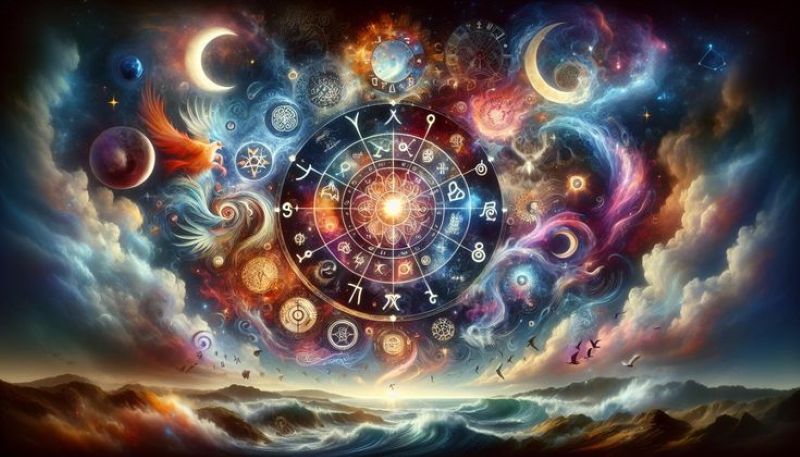
The lunar nodes—Rahu and Ketu—hold a special place in the analysis of family relationships. These are not planets in the physical sense, but mathematical points where the Moon’s orbit intersects the Sun’s orbit. I consider them very important indicators of the soul’s karmic tasks.
When Rahu or Ketu are associated with the fourth house or with planets representing parents, this always indicates that family relationships are not simply personal, but a karmic task that the soul has come to fulfill in this incarnation.
Rahu in the fourth house or conjunct the Moon creates an obsessive desire to receive something from the mother (love, attention, approval, material goods). A person can remain dissatisfied with maternal care throughout their life, no matter how much the mother does for them. Why does this happen? Because Rahu creates an illusion—it seems that if the mother gives a little more love, attention, or money, happiness will finally come. But Rahu is insatiable by nature.
Such people often idealize their mother or, conversely, blame their mother for all their problems. They can be very attached to home, family, and traditions, but this attachment is morbid and compulsive.
Ketu in the fourth house presents the opposite picture. Alienation from family and a sense of alienation are more typical here. From childhood, such a person feels different from other family members and misunderstood. They may leave their parents’ home early, move to another city or country, and minimize contact with relatives.
Have you noticed that some people can’t find their place in their family—either their parents’ family or their own?
The paradox is that both Rahu and Ketu in the fourth house create a sense of dissatisfaction with family relationships, but for different reasons. Rahu desires more intimacy, but it never feels sufficient. Ketu sees no point in family ties at all, considering them an obstacle to spiritual development.
When Rahu or Ketu are associated with the Sun, this indicates karmic tasks related to the paternal line. Perhaps there were serious problems in the male line—absent fathers, weak men, or, conversely, tyrants and despots. The person must heal this ancestral trauma.
Very often, people with strong nodal influences on family indicators are born into families with secrets, hidden problems, and unspoken issues. Rahu can indicate family secrets that create illusions and distortions. Ketu can indicate spiritual tasks that require liberation from family programs and stereotypes.
Saturn is a teacher through limitations
Saturn in an astrological chart always reveals areas of life where serious lessons await us, often through limitations, difficulties, and delays. This question troubled me for a long time until I realized that when Saturn is associated with family indicators, it indicates that it is through parental relationships that a person will receive their most important life lessons.
Saturn in the fourth house or conjunct the Moon often indicates a childhood associated with limitations. These can include material difficulties—the family was poor, the parents worked long hours, and there was not enough time for the children. Or emotional coldness—the parents were reserved, did not openly express their feelings, and demanded that the child mature prematurely.
Such people often complain that in childhood they lacked parental love, warmth, and support. They may blame their parents for being too strict, critical, and not allowing them freedom. And often, these accusations are true from a human perspective.
But from a karmic perspective, Saturn provides precisely the experience the soul needs for development. In my opinion, Saturn teaches independence, responsibility, and self-reliance. People with a strong Saturn in their family charts usually become very mature, reliable, and able to cope with life’s challenges. They value what they have because they know the value of everything.
The problem is that Saturn’s lessons are painful, especially in childhood. A child doesn’t understand why they need these restrictions, why other children have it easier, or why their parents are so strict. Only with age does the value of the experience come to them.
What if your relationship with your parents only improved in adulthood? Saturn can also indicate a later, but more harmonious, relationship with your parents. Often, people with strong Saturn in their family charts begin to better understand and appreciate their parents only in adulthood, when they themselves become parents or when their parents are aging.
It’s especially difficult when Saturn afflicts both the Sun and the Moon simultaneously. This can indicate a very difficult childhood, perhaps the loss of a parent, or serious family crises. But even in this case, Saturn imparts important lessons—strength of spirit, the ability to survive in difficult circumstances, and a deep understanding of life.
Jupiter and the idealization of family relationships

Jupiter is the planet of wisdom, knowledge, spirituality, but also idealization. When Jupiter is strongly associated with family relationships, it usually leads to good relationships with parents, but sometimes creates problems due to excessive expectations.
Jupiter in the fourth house often indicates a family with high moral principles, perhaps religious or highly educated. One of the parents (usually the father) may be a teacher, priest, philosopher, or a broad-minded person. Such families typically provide their children with a good education, instilling a love of knowledge and cultivating spirituality.
But sometimes Jupiter creates overly high expectations. Why do some children feel constant pressure to be “the best”? Parents with a strong Jupiter may expect outstanding success in their studies, careers, and spiritual development. They sincerely want the best for their child, but their expectations can become a heavy burden.
Jupiter can also indicate idealization of parental relationships. A person with Jupiter in the fourth house or conjunct the Moon may spend their entire life comparing their family to their parents and finding their own family less perfect. This creates problems in personal relationships.
Jupiter’s aspect to family matters usually mitigates the negative influences of other planets. Even if difficulties arise, Jupiter gives the ability to find meaning in them, learn lessons, and forgive offenses.
Venus and family harmony

In family settings, Venus usually brings harmonious, loving relationships with parents. It is the planet of love, beauty, and comfort, and when associated with the fourth house or the Moon, it creates an atmosphere of warmth and mutual understanding in the family.
Venus in the fourth house often indicates a beautiful, cozy home, with a mother who knows how to create an atmosphere of beauty and comfort. Such people usually remember their childhood fondly, feel the support of their family, and easily forgive their parents’ shortcomings. However, sometimes Venus can create problems due to excessive attachment to family.
Have you ever found it difficult to make important decisions without your parents’ approval? A person may be so attached to their parents that it is difficult for them to start their own family and separate from their parents’ home. This is especially true for men with Venus in the fourth house—they may spend their lives comparing their wives to their mother and finding their wives less than perfect.
An afflicted Venus in family indicators can indicate problems related to women in the family, conflicts between mother and wife, difficulties in expressing love and affection.
Mercury and communication in the family
Mercury governs communication, and when associated with family dynamics, it reveals much about how communication developed in the parental family.
A strong Mercury in the fourth house usually indicates a family where people communicated a lot, discussed various topics, and valued education and intellectual development. One parent may have been very talkative and intellectual, perhaps associated with information, trade, or education.
However, sometimes Mercury can indicate superficiality in family communication. Much was said, but little was felt. It can also indicate frequent moves, instability, and family fuss.
An afflicted Mercury can lead to problems in communication with parents—misunderstandings, an inability to find common ground, and conflicts due to different life views.
Mars and family conflicts
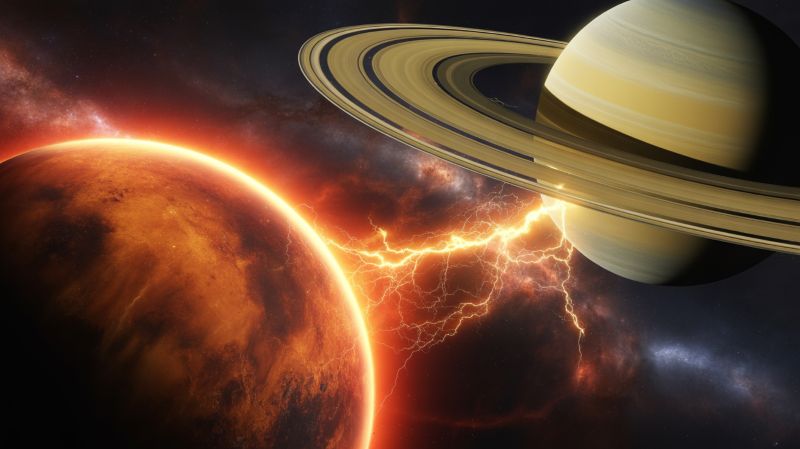
Mars is the planet of aggression and conflict, but also of strength, energy, and protection. When Mars is associated with family dynamics, it always indicates a dynamic, sometimes conflictual, family atmosphere.
Mars in the fourth house often indicates a family with a history of arguments, conflicts, and possibly physical aggression. One parent (usually the father) may have been hot-tempered, authoritarian, and prone to solving problems through force. The child grows up in an atmosphere of tension, learning to defend themselves, but often becomes aggressive themselves.
Have you noticed that some people are unable to resolve conflicts peacefully—only through confrontation? But Mars isn’t always negative. It can indicate strong, energetic parents who taught the child to fight for their goals, protect themselves, and not give in to difficulties. Problems arise when Martian energy is directed destructively.
An aspect of Mars to the Moon can indicate a conflictual relationship with the mother, a mother with a difficult personality, or traumatic situations involving the mother figure.
How to use this knowledge for healing

Understanding the astrological causes of family conflicts is the first and most important step to healing them. When you see that your difficult relationship with your parents is not a coincidence, but a pattern written in your birth chart, it radically changes your perception of the situation.
Instead of blame and resentment, comes the understanding: “I chose these particular parents, this particular experience, for my spiritual development. What lessons should I learn from this situation?”
If Saturn is in your fourth house, the lesson is to learn to be independent, responsible, and to appreciate what you have. If Mars is in your fourth house, the lesson is to develop inner strength, the ability to protect your boundaries without being aggressive.
If Rahu creates an obsessive desire for more parental love, the lesson is to learn to love yourself and not depend on external approval. If Ketu creates alienation from family, the lesson is to find a balance between spiritual freedom and human connections.
I think it’s very important to remember: the planets don’t force us to act a certain way. They represent the energies we’ve come to work with. We can always choose how to use these energies—constructively or destructively.
Astrological understanding also helps us forgive our parents. When you see that your mother, with Saturn on the Moon, couldn’t have been any different—she
Astrological understanding also helps forgive parents. When you see that your mother, with Saturn on the Moon, couldn’t have been any different—she grew up with limitations and passed on the experience she gained to you—this removes personal blame. Parents are also people with their own birth charts, with their own karmic tasks.
In the next article, we’ll discuss specific Vedic practices that help heal parental relationships by working with planetary energies. In the meantime, I recommend analyzing your birth chart through the lens of what we’ve discussed today. You’ll be surprised how accurately the planets describe your family situation!
Would you like to receive a personal analysis of your situation?
Book a personalized consultation—an astrological or numerological forecast—where I’ll analyze your family indicators in detail and give you specific recommendations for harmonizing your relationship with your parents. A personal chart always contains many more nuances than can be described in a general article.
Related Posts

The altar in the house is a sacred place in space
Dear friends! Over the past few months, there have been no leaves from one…
Gold heel Yin Yang
The idea behind the creation and how the owner's life changed The idea for…

Where to start learning about Vedic astrology Jyotish?
Indian astrology... Hindu astrology... Vedic astrology... To beginners, these may seem like completely different…