

Vastu Course "Geometry of Energy"
The space around us isn’t just walls and furniture. It’s a living structure, where the orientation of the walls, the shape of the room, the placement of furniture, and even the color on the walls are constantly interacting with each other — either strengthening the flow of energy in a home, or quietly draining it. That’s why in one apartment it’s easy to breathe, work gets done productively, and sleep comes deeply, while in another — for no obvious reason — fatigue keeps piling up, arguments happen more often, and things move slower than you’d like.
Vastu Shastra — the ancient Vedic science of spatial harmony — teaches you to see these patterns: to understand why a space affects life the way it does, and to know what to do about it. This knowledge was passed down over thousands of years and shaped how temples, homes, and entire cities were built in India — following the clear logic of cardinal directions, elements, and energy flows. Today people turn to these same principles when choosing an apartment, planning a renovation, or simply trying to understand why it’s sometimes hard to relax in their own home.
In the “Geometry of Energy” course, I unpack this system step by step — from foundational principles to concrete tools you can start applying in your own life while you’re still taking the course, whether that’s choosing a home, planning a renovation, or working with the space you already live in.
На курсе «Геометрия энергии» я раскрываю эту систему шаг за шагом — от базовых принципов до конкретных инструментов, которые можно применять в своей жизни уже во время обучения, будь то выбор жилья, ремонт или работа с пространством, в котором вы живёте.
Application form for the "Geometry of Energy" Vastu course

No payment is required right now—this form is simply to request your chosen service. Please fill in all the fields and submit your request. I will then contact you at the email address provided.
Why is Vastu worth studying?
Did you know that where a bedroom or kitchen sits in an apartment can directly affect sleep quality, financial decisions, and the atmosphere in your relationships?
Vastu Shastra is an applied system: the home is treated as an extension of the person, and each of its zones governs a specific area of life. Over years of practice, I’ve built up a great deal of hands-on experience — a clear sense of which layout mistakes come up again and again, and how to work with them.
At the core of the system is the division of space into eight directions, linked to the five elements: earth, water, fire, air, and space (panchamahabhuta). The northeast is traditionally associated with the element of water — a favorable zone for an entrance, a prayer corner, or a study; the southwest governs the earth element and suits the master bedroom; the southeast is linked to fire and is usually given to the kitchen. This isn’t superstition — it’s logic: each direction gets its own morning or midday sun, its own wind, its own heat load, and that’s something you can, and should, work with.

If a layout has already come together against the rules, Vastu doesn’t call for knocking down walls. There are upayas — targeted remedies that soften an imbalance without major renovation: furniture placement, color, mirrors, plants, symbols.
I teach this particular system because I see in it a rare combination: a practice proven over centuries, paired with tools that are just as applicable today — as precise in an ordinary city apartment as they once were in the grand structures of the past.
Sacred geometry — the heart of Vastu
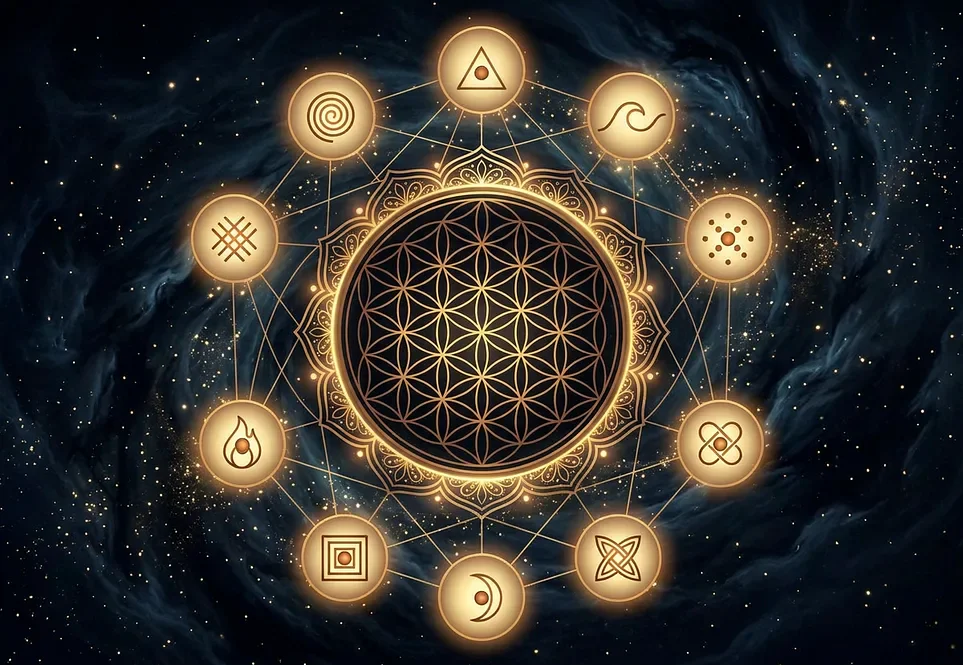
At the foundation of every home designed according to Vastu lies a mathematical grid. This tool is called the Vastu Purusha Mandala — a square grid (most often 8×8 or 9×9 cells) that the plan of a house or plot is mapped onto. The mandala carries a legend about Vastu Purusha — a being that, according to tradition, the gods, led by Brahma, pinned face-down to the earth, promising in return that it would be honored in every home built according to the rules. This is the source of Vastu’s central rule: the center of the home — the brahmasthan — is meant to be kept open and light, not weighed down by heavy structures, since that’s where the “heart” of the space sits.
Marma points are the spots that should never carry a load. According to the ancient treatise “Brihat Samhita,” the mandala contains nine especially sensitive zones — the marma points — formed where the grid’s diagonals intersect. A home’s energy is considered most vulnerable exactly at these points, which is why classical Vastu avoids placing columns, heavy furniture, or major structural work over them.
Sacred geometry is what makes Vastu a precise method: every cell of the grid has its own purpose. In the course, we work through how to read this logic for an ordinary apartment — not just a temple complex — and we also work with mantras and sound vibrations that complement the system.

What is Vastu?
The word “Vastu” comes from a Sanskrit root meaning “dwelling,” and “shastra” translates as “science” or “treatise” — together, “the science of dwelling.”
It’s one of the oldest architectural traditions in the world, practiced for more than three thousand years, with its principles recorded in classical texts — the “Mayamata,” the “Manasara,” and the already-mentioned “Brihat Samhita” by the sage Varahamihira, written around the 6th century CE. These treatises describe not only the construction of individual homes, but the layout of entire cities, temples, and palaces.
Vastu is its own discipline, distinct from Vedic astrology and numerology, but rooted in the same worldview: that space, like time, follows numerical and energetic laws. That’s exactly why the direction of an entrance, the shape of a plot, and the arrangement of rooms shape a life — through light, warmth, air, and the way a person interacts with their home every day.
Why is it comfortable to study with me?
You can study from anywhere in the world, at whatever time and pace suits you — the course materials are available to you at any moment.
The course runs on my own educational platform, and if a technical hiccup comes up, support resolves it quickly — you’re never left stuck with a problem on your own.
Payment is flexible: you can split it into two installments and choose whichever method is convenient — PayPal, Visa/Mastercard, USDT, and other options.
And, most importantly, I personally lead the entire course from the first lesson to the last — no curators, no stand-ins.
Who is this course for?
- You’re choosing a home or planning to build or furnish one and want to factor in the energy of the space from the start.
- You already live in your space but sense that something in it is “off,” and you want to correct it.
- You’re interested in interior design and want to add Vastu principles to your work.
- You’re drawn to feng shui, sacred geometry, or Vedic practices, and you want to understand Vastu as a discipline in its own right.
- You consult people in related fields and want to expand your toolkit.
Темы на базовом курсе Васту
«Геометрия энергии»
С этого модуля начинается настоящая работа: я закладываю фундамент, без которого дальнейшее изучение джйотиш превращается в заучивание разрозненных фактов. Мы разберёмся, откуда вообще берёт начало эта система знаний, и я помогу вам спокойно отнестись к внутреннему сопротивлению, которое почти всегда возникает при первом знакомстве с метафизической картиной мира.
- Исторический контекст и место джйотиш в ведической культуре
- Основные принципы: карма, дхарма, реинкарнация
- Сидерический и тропический зодиак — различия и причины использования
- Натальная карта и основные термины
- Программное обеспечение для построения карт
Здесь я разбираю три кита, на которых держится вся натальная карта: планеты, знаки и дома. В моей подаче планеты — это психологические архетипы, знаки — энергетические поля, задающие стиль мышления, а дома — конкретные сферы вашей жизни. Я постоянно провожу параллели с современной психологией, чтобы древние понятия сразу находили опору в привычных вам категориях.
- Планеты (Грахи) как архетипы — от Солнца до теневых планет Раху и Кету
- Знаки зодиака (Раши) как энергетические поля и когнитивные стили
- Дома гороскопа (Бхавы) как сферы жизни и человеческие потребности
- Стихии и модальности в связи с типами мышления
- Соотнесение с пирамидой Маслоу и когнитивно-поведенческой терапией
Теория без практики так и остаётся теорией, поэтому в этом модуле мы переходим к главному навыку — реальному чтению карты. Я показываю системный алгоритм разбора карты и отдельно учу замечать момент, когда собственные проекции начинают мешать объективному взгляду на чужую (или свою) карту.
- Планеты в знаках и домах — комбинации и их значения
- Аспекты (Дришти) и йоги (астрологические комбинации)
- Пошаговый алгоритм интерпретации карты
- Анализ асцендента, Лунного и Солнечного знаков
- Техники осознанности для снижения проекций при анализе
Здесь мы переходим от статичной карты к динамике времени — я показываю инструменты, которые джйотиш использует для понимания жизненных циклов. Моя принципиальная позиция: эти техники существуют для того, чтобы осознанно планировать шаги, опираясь на понимание своих циклов, вместо того чтобы просто ждать «удачных» периодов.
- Система Вимшоттари Даша — периоды планет и их влияние
- Транзиты (Гочара) основных планет
- Психология ожиданий — эффекты плацебо и ноцебо
- Астрология как инструмент коучинга и саморазвития
- Модель SMART-целей в контексте джйотиш
Завершающий модуль я считаю не менее важным, чем все предыдущие вместе взятые. Здесь мы говорим об ответственности — вашей перед собой и будущей перед теми, кому вы, возможно, когда-нибудь будете читать карту. Я разбираю типичные когнитивные ловушки, в которые попадают начинающие астрологи, и учу мыслить критически даже внутри эзотерической системы.
- Ответственность астролога и клиента — этические нормы
- Избегание фатализма и формирование проактивной позиции
- Джйотиш и наука — критический анализ и современные исследования
- Эффект Барнума и систематические ошибки восприятия
- Психология ответственности
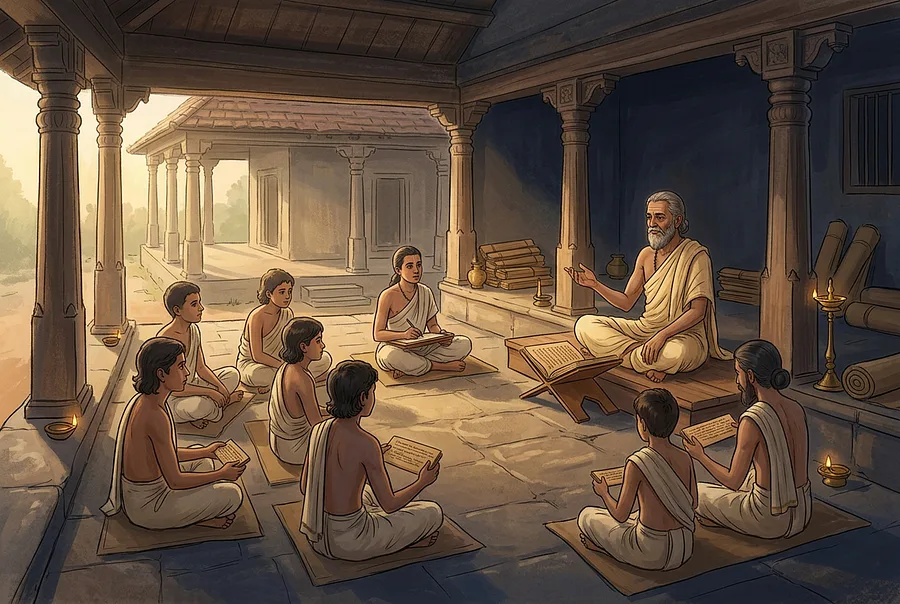
Старт обучения уже в ноябре 2026
Форма заявки на курс по Ведической астрологии «Матрица Души»

Ничего пока оплачивать не нужно – эта форма для заказа выбранной Вами услуги. Заполните все поля и отправьте заявку. После я свяжусь с Вами по указанному в этой форме эл. адресу (email).
Course start date and program
will be announced very soon

How do the online classes work?
Regular study of the principles of space together with sacred geometry, and a structured introduction to the fundamentals, is the surest path to a real understanding of Vastu. This format is built for people ready for an unhurried, thoughtful grounding in the basics — no rushing, no staying on the surface. You move through it at a calm pace, which lets each principle settle in through practice.
My method rests on five principles:
Theory through real-life examples. No generic rules — I explain the principles of Vastu through connections to how you already sense the space around you.
Practice on real spaces. Forget abstract exercises — I show actual floor plans and work through specific examples.
Homework assignments as investigations. I turn you into an investigator of your own home — every assignment becomes a mini case study where you apply what you’ve learned to a real floor plan.
Group breakdowns of difficult cases. Stuck on a tricky configuration? As a group, I help work through any complicated case — and often the insight comes from a fellow student.
A personal observation journal. I’ll teach you to keep your own journal of changes — noting how the feel of a space shifts after you apply an upaya. This turns the course into an engaging, hands-on process.
Active training runs for 3 months, with deep immersion into each topic; lectures can be watched whenever suits you. After every module come practical assignments: analyzing your own space and keeping the observation journal. Every two weeks I run a live webinar to work through difficult cases and answer your questions. After the 3 months of training, you keep access to the materials for another 3 months, to review and reinforce the fundamentals. There’s also an exam and a certificate for completing the foundational Vastu course.
Предлагаю посмотреть один из вводных уроков курса — он честно покажет, как я подаю материал, насколько глубоко раскрываю тему и какую практическую пользу вы получите с первого занятия.
the online lessons work smoothly on any device, from phone to PC

What will change in your life after the course?
You’ll understand the fundamentals of this ancient science of space. You’ll grasp what Vastu is and its core principles: directions, elements, sacred geometry. You’ll gain a deep understanding of how space affects life, and build a solid foundation for further study.
You’ll learn to read the configuration of any home or apartment. You’ll gain practical skills for analyzing a floor plan — from the direction of the entrance to the arrangement of the rooms. You’ll be able to apply this both when choosing a home and in a space you already live in.
You’ll learn to apply upayas in your own home. You’ll master specific corrective methods — furniture placement, color, symbols — and be able to use them without major renovation, changing the feel of a space already during the course.
You’ll master the logic of the eight directions and the five elements. You’ll understand how each direction and element affects different areas of life — health, finances, relationships — and learn to steer that energy where it’s needed.
You’ll understand the sacred geometry of the Vastu Purusha Mandala. You’ll learn to see the structure underlying any space, and understand why some zones of a home need special attention while others can be used freely.
You’ll learn to apply Vastu principles when choosing or building a home. You’ll master the practical side of the system for major decisions — which apartment to choose, which way to orient a house, how to plan out the rooms from the very start.
This isn’t just theoretical knowledge — it’s a new way of seeing the space around you. You’ll learn to see the hidden connections between your home and everyday life, understand why some places feel easy and others feel heavy, and get the tools to change that. The course gives you a solid foundation for understanding your own home, and opens the door to going deeper into Vastu, if that’s where you want to take it.
The cost of Vastu "Geometry of Energy" course:
On your own — €300
Take the course at your own pace, with no set dates and no group to keep up with. Access to the materials lasts 3 months. A good fit if a flexible schedule matters most to you.
Application form for the "Geometry of Energy" Vastu course

No payment is required right now—this form is simply to request your chosen service. Please fill in all the fields and submit your request. I will then contact you at the email address provided.
marathon — €300
The same volume of material and the same length of access, but in a live group format: webinars, support in a chat, and a certificate on completion. A good fit if support and feedback along the way matter to you.
Application form for the "Geometry of Energy" Vastu course

No payment is required right now—this form is simply to request your chosen service. Please fill in all the fields and submit your request. I will then contact you at the email address provided.
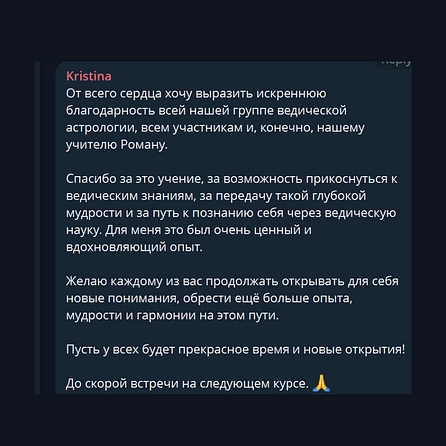
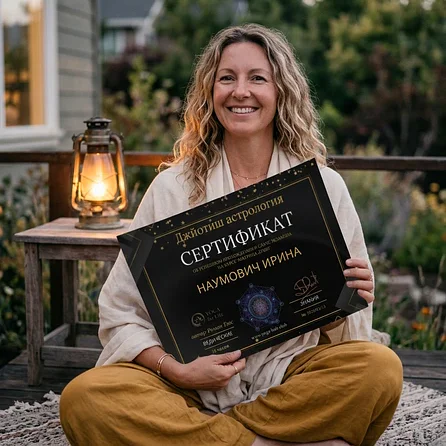
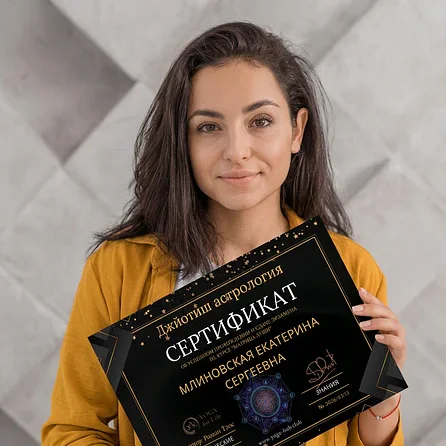
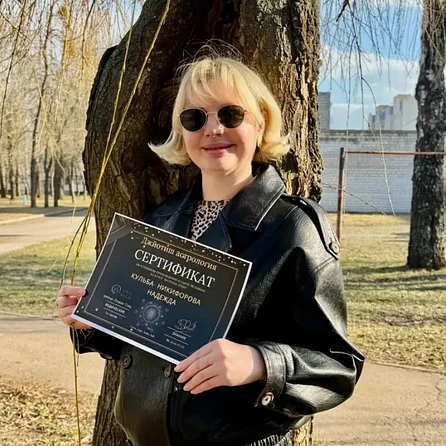
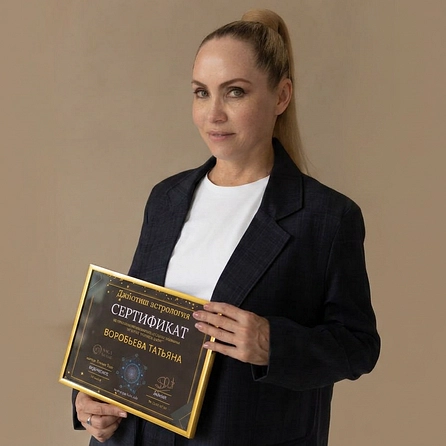
Выпускники предыдущих запусков курса
«Матрица души»


Frequently Asked
Questions
Vastu Shastra is an ancient Indian science of spatial harmony; feng shui is a Chinese tradition with similar goals but a different system. Vastu is built on eight directions, five elements, and the Vastu Purusha Mandala — a sacred grid tied to the cardinal directions; feng shui uses different tools — the bagua, zones, and its own arrangement of elements. Both systems work with the energy of space, but they grew out of different cultures and read a floor plan in different ways.
No, the course is foundational and built for beginners. An interest in the topic is enough — every concept is explained from the ground up, from directions and elements to sacred geometry.
Yes. For situations like that, Vastu has upayas — corrective methods that don’t require knocking down walls or major renovation: furniture arrangement, color, symbols, plants. We give this its own dedicated attention in the course.
Upayas are targeted ways to soften an energetic imbalance in a space without rebuilding anything: where to place a plant, which way to turn a sofa, where to hang a yantra. They don’t replace architecture, but they help correct what’s already there.
At the core of the system is the Vastu Purusha Mandala — a square grid that a space is planned around. It’s this sacred geometry that makes Vastu a precise method rather than a set of superstitions: every cell of the grid has its own purpose, and certain sensitive points — the marma points — call for careful handling.
The course runs for 3 months. In the “Self-paced” format, that’s 36 hours of recorded material with access for 3 months after the course ends — go through it at your own pace. In the “Group cohort” format, it’s the same program alongside the group: live webinars every two weeks, support in Telegram, and a certificate at the end.
Yes, that’s one of the two practical directions of the course: how to read the configuration of a future house or apartment — laying the foundation, the direction of doors and windows, and choosing a home with the cardinal directions and elements in mind.