
What stands in the way of happiness in the family? The Vedic compatibility code
Friends, imagine this: five and a half thousand years ago, several billion people died because of one unsuccessful marriage. Sounds unbelievable? But this story is recorded in sacred texts and shows how seriously our ancestors took the creation of a family.
Today, I want to share with you some knowledge that could radically change your understanding of relationships. We will talk about the Vedic principles of building a family — an ancient system that works regardless of whether you live in India, Ukraine, or any other country, what religion you follow, or what nationality you belong to.
Over the years of astrological counseling, I have become convinced that these principles work everywhere and for everyone. This is because they are based on the fundamental laws of human nature, rather than on external cultural differences.
Why do modern couples suffer?

Today, people start families based mainly on emotions and physical attraction. “I like him,” “We have good chemistry,” “We love each other” — all of this is wonderful, but it is not enough for long-term happiness. The Vedic tradition looks deeper and asks: are you compatible in terms of life goals, values, and purpose?
In ancient times, before getting married, young people would go to a sage — someone who understood the laws of compatibility. This person analyzed up to ten different parameters: how the future spouses relate to children, what their food preferences are, whether their life goals are similar. The main principle was simple: partners should complement each other and help each other grow, rather than pulling in different directions.
What are varnas, and what does modernity have to do with them?
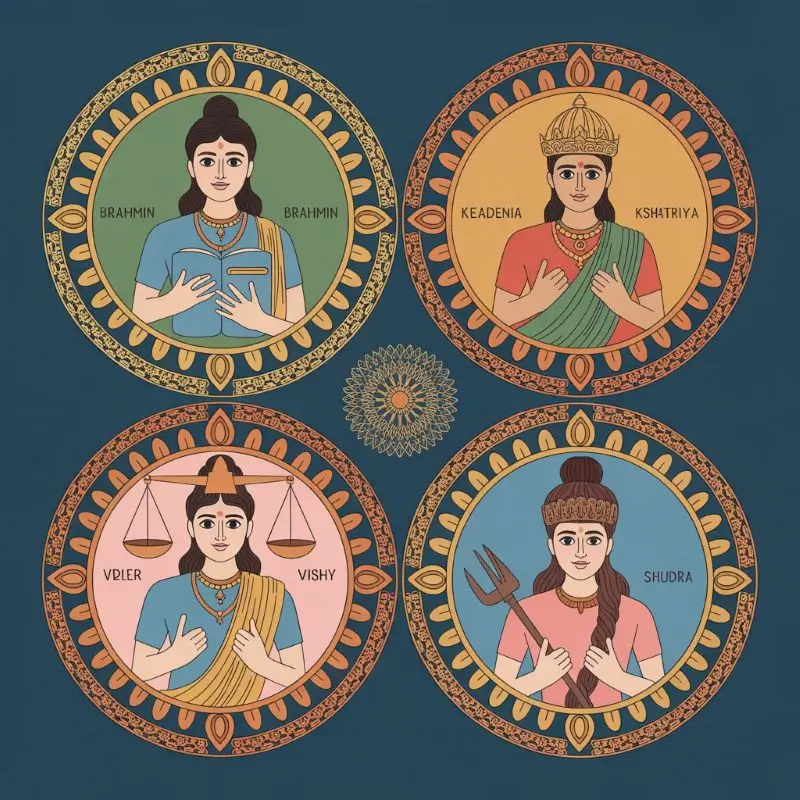
In the Vedic system, people were divided into four main groups according to their type of consciousness and purpose. Don’t be alarmed by the word “castes” — we are not talking about social inequality, but about the natural inclinations of the soul. This system still works today, we just call it something else.
Brahmins are teachers, scientists, doctors, psychologists. People who impart knowledge and help others develop. In the modern world, they are professors, researchers, spiritual mentors, writers. Their main value is wisdom and development.
Kshatriyas are organizers, leaders, defenders. Today, they are business leaders, politicians, military personnel, and company managers. They are natural leaders who take responsibility for others.
Vaishyas are entrepreneurs, merchants, and farmers. They are people who create material wealth and know how to work with it. They are modern businesspeople, farmers, financiers, and marketers. Their talent is creating prosperity.
Shudras — and here it is important to understand correctly. This is not a “lower caste,” as many think. Shudras are masters of their craft. They are highly skilled professionals: jewelers, surgeons, artists, athletes, actors. People who serve society through their craftsmanship.
Look around — don’t you see these types of people in your life? Isn’t your programmer friend a modern Brahmin, imparting knowledge? And isn’t your department head acquaintance a Kshatriya? This system is universal and works everywhere.
Laws of compatibility: why some marriages are happy while others fall apart

Ancient texts describe two types of mixed marriages between representatives of different varnas. Anuloma is when a man belongs to a higher varna than a woman. Such unions were considered favorable. Protiloma is the opposite, when a woman is higher in varna. These marriages carried certain risks.
Why is this the case? The fact is that each varna has its own value system and its own outlook on life. When these views differ radically, spouses begin to pull each other in different directions. Imagine: a scientist husband (Brahmin) strives for knowledge and spiritual development, while his entrepreneur wife (Vaishya) demands that he earn more money. Or vice versa: a teacher wife does not understand why her jeweler husband spends so much time on “nonsense” instead of doing “serious” work.
A lesson from the Mahabharata: when the wrong choice led to disaster
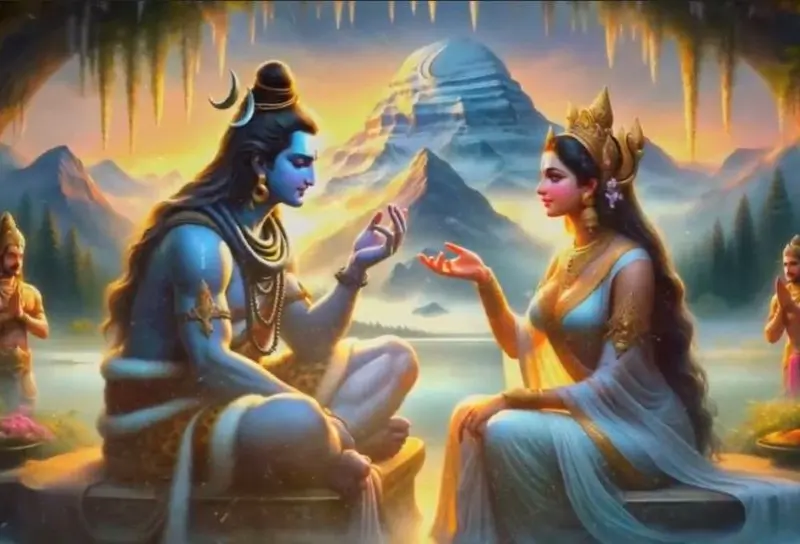
Let me tell you the story of a marriage that led to the death of billions. In ancient times, there lived a great king named Shantanu, a member of the Kshatriya caste. He fell in love with the beautiful Satyavati, the daughter of a fisherman from the Shudra caste. What could be wrong with that? It’s love!
But the girl’s father, not understanding the principles of statecraft, set a condition: his daughter’s children must inherit the throne, not the legitimate heir, Bhishma, the greatest warrior of his time. To satisfy the father, Bhishma renounced the throne and took a vow of celibacy.
The consequences of this decision were catastrophic. Instead of a wise ruler, less capable heirs came to power, which ultimately led to the great war at Kurukshetra. You see? The problem was not that people belonged to different varnas, but that they did not understand each other and did not take into account the laws of harmony.
Contemporary evidence: celebrities and their families
Let’s see how these principles work in the modern world. I analyzed the families of many famous people using Vedic numerology, and the results are astonishingly accurate.
Jackie Chan and his family. The great martial arts master is 50% Shudra (artisan) and 40% Brahmin by nature. His wife, Joan Lin, is 50% Brahmin and 50% Kshatriya. Do you see the imbalance? The wife is higher in status than her husband. And what do we have? Their son is constantly involved in drug-related scandals. It is particularly symbolic that this happened just after Jackie was appointed chairman of the fight against drug addiction in China.
The problem is not that they are bad parents. It’s just that different value systems have created an internal conflict: the child could not understand which path to follow.

Now, let’s look at the opposite example. Arnold Schwarzenegger is 50% Brahmin and 50% Shudra. His wife, Maria Shriver, is 40% Brahmin, 40% Kshatriya, and 20% Vaishya. The key difference: both have a high percentage of Brahmin, meaning they share similar values of development and wisdom. The result? All four of their children became successful entrepreneurs, none of them got involved with drugs, and all of them found their way in life.
Vladimir Vysotsky and Lyudmila Abramova are another interesting case. Vysotsky was 40% Shudra and 40% Vaishya. His wife was 60% Shudra and 40% Kshatriya. Both had a high percentage of Shudra, meaning they served people through creativity. Their children also became actors and directors, continuing the family business of serving society through art.
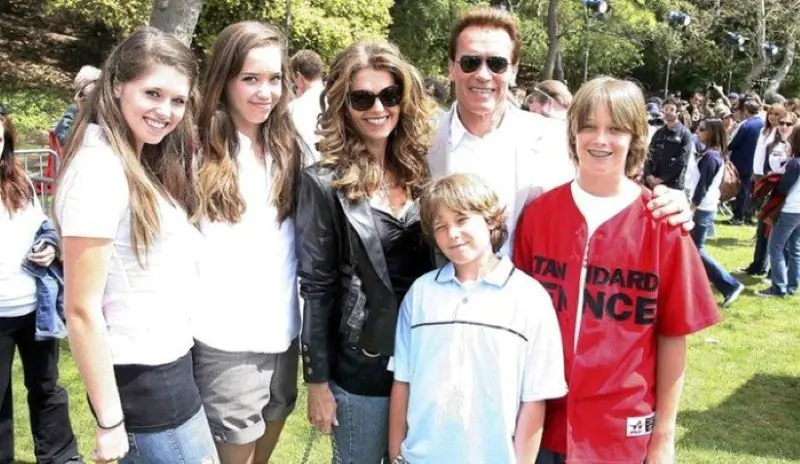
These examples show that when spouses have similar core values, children grow up harmoniously and find their own way. When values are radically different, problems arise.
Practical application for all of us

Friends, you may be thinking, “Roman, this is all very interesting, but I’m not Hindu and I don’t intend to become one. What does this have to do with me?” My answer is that these principles are universal because they are based on the nature of human consciousness, not on religion or nationality.
Take an honest look at your relationship. Maybe you constantly argue with your partner about money because one of you strives for spiritual growth (Brahmin) and the other for material prosperity (Vaishya)? Or maybe you don’t understand why your spouse spends so much time on hobbies instead of doing “serious” things?
Understanding the varnas helps you not to try to change each other, but to accept and support each other. If your scientist husband earns less than your businessman neighbor, it doesn’t mean he’s a failure. It’s just that his purpose is to impart knowledge, and your task as his wife is to appreciate this contribution and create conditions for his development.
What should you do if you are already in an “unsuitable” marriage?
First and foremost, do not panic. Knowledge of varnas is not a sentence, but a tool for understanding. If you discover that you belong to different types of consciousness, it does not mean that you need to divorce. It means that you need to learn to respect differences and find common ground.
Remember the key principles of Vedic relationships: mutual respect, support in fulfilling each other’s dharma (destiny), joint spiritual growth, and understanding that marriage is not only about personal happiness but also about serving society by creating a harmonious family.
If a businesswoman wife understands and accepts her scholar husband’s thirst for knowledge, and he, in turn, appreciates her business talents, their union can become very strong. The main thing is to stop demanding from each other what contradicts your inner nature.
Conclusion: ancient wisdom for modern happiness
Friends, the Vedic principles of building a family are not archaic, but a system of creating harmonious relationships that has been proven over thousands of years. They work in any country, for people of any religion and nationality, because they are based on the universal laws of human nature.
Understanding your own varna and your partner’s varna will help you build a relationship based on mutual respect and support, rather than trying to change each other. This knowledge is especially valuable for those who are just planning to start a family — you will be able to choose a truly suitable life partner.
Discover your Dharma code and check compatibility
Of course, it is impossible to reveal all the subtleties of this system within the scope of a single article. If you want to:
Gain a deeper understanding of yourself — I invite you to take the “Dharma Code” course on Vedic numerology. You will learn how to determine your own varna and the varna of your loved ones, understand your true purpose, and learn how to maximize your potential in this life.
Check your compatibility with your partner — I offer a personalized compatibility analysis service. I will analyze your varnas in detail, show you the strengths of your union, and give you recommendations on how to harmonize your relationship. I especially recommend this to those who are planning a Vedic marriage or are experiencing difficulties in their relationship.
In this course, we will study in detail not only the varna system, but also other important aspects of Vedic numerology: karmic tasks, life cycles, and favorable periods for important decisions. This knowledge will change your outlook on life and help you make the right decisions.
In the meantime, share your thoughts in the comments: did you recognize yourself in the description of a particular varna? Did this understanding help you look at your relationship in a new way? Your experience can be valuable to other readers.
Remember: a happy family is not a coincidence, but the result of wise choices and an understanding of the laws of harmony. Use ancient knowledge to create modern happiness!
Related Posts
Lunar calendar: November 2025
Favorable days of November Retrograde transits of Jupiter and Mercury Venus in full force…
Saturn Transit 2026 for Aquarians
Hello, dear Aquarians! I am concluding a series of articles on the influence…
The altar in the house is a sacred place in space
Dear friends! Over the past few months, there have been no leaves from one…